11 Powerful Foods That Fight Inflammation Naturally
Published · The Times of New York
Inflammation is the body response to any infection and injury. Our body would have no defenses against even the minor injuries without inflammation, such…
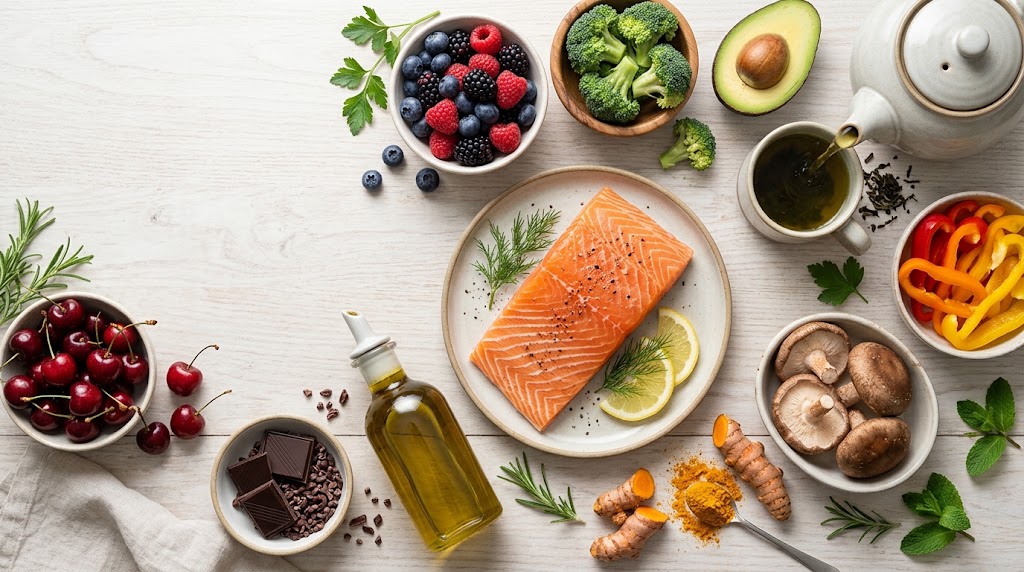
Inflammation is the body response to any infection and injury. Our body would have no defenses against even the minor injuries without inflammation, such as fractures, food poisoning, the common cold, and bee stings. However, there are many variables that influence our bodies' inflammatory response. Dietary habits are one of them. Foods that fight inflammation include fruits, vegetables, whole grains, healthy fats, and lean proteins that support overall health.
What is Inflammation?
There are two types of inflammation. Acute inflammation is the beneficial response inflammation, and it is the normal reaction of our body to tissue damage, metabolic stress, and microbes.
- Acute inflammation occurs when any harmful agent damages or irritates our body, such as when you sustain a burn, cut, or bruise. It is a helpful reaction if the inflammatory response is short term. It helps to stimulate our bodies' defenses and help our body to recover from any form of damage.
Chronic inflammation is the bad type of information, and it happens if the inflammation process continues for a long period of time or is exaggerated. This form of inflammation is associated with various diseases such as heart disease. In these diseases, chronic inflammation plays an important role in the development of atherosclerosis. The best foods to reduce inflammation naturally include berries, leafy greens, salmon, olive oil, and nuts.
Health Benefits of an Anti-Inflammatory Diet
What foods reduce inflammation? It includes fruits, vegetables, whole grains, fatty fish, nuts, and seeds. Following out the health benefits of an anti-inflammatory diet:
Reduction of Chronic Inflammation
An anti-inflammatory diet supplies the body with the important nutrients that play an important role in the body's information regulation. Foods can reduce chronic inflammation associated with several diseases that have antioxidants, healthy fat and fibre properties. Foods to reduce chronic inflammation are nutrient-rich whole foods that help support long-term wellness.
Maintain a Healthy Heart
A healthy diet for inflammation includes whole foods while limiting added sugars and processed foods. If you include certain foods such as nuts, olive oil, whole grains, fresh vegetables, and fatty fish in your diet, it helps to maintain healthy cholesterol and blood vessels. If you are following a healthy diet, it is beneficial for maintaining normal blood pressure levels and also avoids the risks that are associated with heart disease.
Encourages Healthy Joints
Anti-inflammatory diets have excellent properties for joint health. You can add omega-3 acids, colourful fruits and green leafy vegetables in your diet that can help to decrease the stiffness in the joint and also ensure easy movement. Foods for joint inflammation include salmon, walnuts, leafy greens, and olive oil.
Improve Brain Function and Memory
If you add healthy fat, leafy vegetables, and whole grains to your diet, that can help to supply beneficial nutrients to your brain that are good for functioning. Anti inflammatory foods for seniors include leafy greens, fatty fish, berries, beans, and whole grains to support healthy aging.
Strengthens the Immune System
Fruits, vegetables, seeds, and legumes contain antioxidants, minerals, and vitamins that are beneficial for the immune system. If you add these healthy foods to your diet, they can support the body's natural defense system and also promote the fast recovery from different illnesses. Foods for immune health include citrus fruits, yogurt, garlic, leafy greens, and nuts.
Maintain a Healthy Weight
Whole, nutrient-dense foods are often lower in added sugars and unhealthy fats while being rich in fiber. They make you feel full after meals which makes calorie control easier and help you maintain a healthy weight over time.
Improves Digestive System
Beneficial bacteria in your stomach feed on fiber-rich foods like fruits, vegetables, legumes, and whole grains. A healthy digestive system helps the body to absorb nutrients, encourages regular bowel movements, and may even help to reduce inflammation throughout the body. An anti-inflammatory diet may help prevent heart disease, type 2 diabetes, and some metabolic diseases. Inflammation and gut health are closely connected, making fiber-rich and probiotic foods important.
Importance of Addressing Inflammation
Foods that heal inflammation help support the body’s natural healing processes through balanced nutrition. Inflammation can worsen your present conditions and make you prone to various other health problems, such as cancer. For example, if you have any pre-existing condition, such as arthritis, which involves inflammation, eating pro-inflammatory foods will make the condition even worse.
Similarly, if you suffer from irritable bowel syndrome, you might experience more bloating and intestinal pain. “Over time, inflammation can lead to cell damage and increase your risk of chronic illnesses, including heart disease and cancer,” says Wohlford. “It is believed that many cancers are the result of inflammation.”
Foods that Increase inflammation
In case you want to control inflammation, it’s important to avoid those following foods:
Trans Fats
Also known as hydrogenated or partially hydrogenated fats, trans fats serve as preservatives, increasing the shelf life of foods that contain them. Trans fats also make your doughnuts fluffy and French fries crispy. But these hydrogenated fats provoke inflammation as well.
Saturated Fats
Saturated fats belong to the category of fats present in such food sources as meat and dairy products, including cheese, as well as in some products of plant origin, such as coconut oil.
Omega-6 Fats
Omega-6 fats are the types of fats contained in oils of plant origin, such as sunflower, safflower, corn, and soybean. If consumed in significant amounts, they can cause inflammation.
Carbohydrates
Carbohydrates are an essential component of any nutrition system. However, refined carbohydrates that are poor in fiber and rich in sugar can lead to inflammation and weight gain. That’s why whole grains are preferable. Also, stay away from cakes and sodas.
Red Meat and Processed Meat
Cuts of beef, pork, and lamb are considered red meat. In turn, processed meat includes products such as hot dogs, processed lunch meats, and sausage.
What are the Top Anti-Inflammatory Foods?
Anti inflammatory diet foods include leafy greens, tomatoes, berries, salmon, walnuts, and olive oil. Foods like fruits, vegetables, and spices contain anti-inflammatory compounds and may help reduce inflammation.
- berries
- fatty fish
- broccoli
- avocados
- green tea
- peppers
- mushrooms
- turmeric
- extra- virgin olive oil
- dark chocolate and cocoa
- cherries
Best Foods That Fight Inflammation
An anti-inflammatory foods list includes vegetables, fruits, fatty fish, whole grains, legumes, and seeds.
1. Berries
Berries are small fruits rich in fiber, vitamins, and minerals. There are dozens of different types of berries. Some of the popular berries are as follows:
- Strawberries
- Blueberries
- Raspberries
- Blackberries
Berries are rich in antioxidants known as anthocyanins. Anthocyanins exhibit anti-inflammatory properties that may prevent you from disease. According to a review article published in 2018, phytochemicals present in berries could be used in immunotherapy since they are believed to have a role in delaying cancer. Your body produces NK cells, which help regulate the proper functioning of the immune system.
In a study conducted by scientists in 2016, it was revealed that individuals suffering from obesity, when consumed strawberries, had lower levels of inflammatory biomarkers linked to heart disease as compared to people who were not consuming berries. Foods that fight inflammation naturally are rich in antioxidants, fiber, and healthy fats.
2. Fatty Fish
Fatty fish are rich in protein and omega-3 fatty acids (EPA and DHA). While all kinds of fish contain omega-3 fatty acids, these fatty fish are considered one of the richest sources of omega-3 foods for inflammation:
- Salmon
- Sardines
- Herring
- Mackerel
- Anchovies
The omega-3s EPA and DHA assist in reducing inflammation; otherwise, you might be at risk for some diseases, including:
- Metabolic syndrome
- Heart disease
- Diabetes
- Kidney disease
These omega-3 fatty acids are metabolized into resolvins and proteins, both of which have anti-inflammatory effects. Several studies have revealed that consuming salmon or supplements of EPA and DHA has reduced the inflammatory biomarker C-reactive protein (CRP) in individuals.
3. Broccoli
Broccoli is one of the most nutritionally dense foods. It belongs to the family of cruciferous vegetables, like cauliflower, Brussels sprouts, and kale. Consumption of a lot of cruciferous vegetables is linked to lowered risk of heart disease and cancer due to their antioxidant anti-inflammatory properties.
One of the major antioxidants contained in broccoli is sulforaphane, which reduces inflammation by lowering cytokine and nuclear factor kappa B (NF-κB). Vegetables that reduce inflammation include broccoli, spinach, kale, Brussels sprouts, and cauliflower.
4. Avocados
Avocados have potassium, magnesium, fiber, and heart-friendly monounsaturated fats. Avocados have carotenoids and tocopherols, which contribute to reduced heart disease risk. Further, some compounds in avocados can lower inflammation in new skin cells and protect them from ultraviolet radiation, although further research in humans is required.
According to a high quality study done in 2019 with 51 obese adults, individuals who consumed avocado for 12 weeks experienced a decline in inflammatory biomarkers, interleukin 1 beta (IL-1β) and CRP.
5. Green Tea
If you have been told before that green tea is one of the most nutritious beverages out there, it's probably true. Studies have shown that consumption of green tea leads to decreased risks of heart disease, cancer, Alzheimer's disease, obesity, and other diseases.
The vast majority of benefits is due to green tea's antioxidant and anti-inflammatory properties, especially EGCG. EGCG suppresses inflammation by decreasing pro-inflammatory cytokine production and fatty acid damage.
6. Peppers
Bell peppers and chili peppers are packed with high levels of vitamin C and antioxidants that have potent anti-inflammatory properties. Bell peppers also contain quercetin, an antioxidant that can potentially reduce inflammation caused by some chronic conditions such as diabetes. Chili peppers contain sinapic acid and ferulic acid, compounds that could reduce inflammation and promote healthy aging.
7. Mushrooms
Although there are thousands of different kinds of mushrooms throughout the world, only a small number of mushrooms are edible and commercially cultivated. These mushrooms are truffles, portobello mushrooms, and shiitake mushrooms. These mushrooms are low in calories and are high in selenium, copper, and all the B vitamins. Moreover, mushrooms also contain phenols and other antioxidants that protect against inflammation.
8. Turmeric
Turmeric is a spice with a warm and earthy taste usually added to curries and many Indian dishes. Turmeric has gained much fame because of the curcumin found in it, which is a potent anti-inflammatory. Foods for arthritis inflammation are rich in omega-3 fatty acids and antioxidants that support joint health.
Many studies have demonstrated the anti-inflammatory role of turmeric in the treatment of arthritis, diabetes, and many other diseases. While no food works instantly, foods that lower inflammation fast include berries, turmeric, ginger, and leafy vegetables.
In an old study dating back to 2015, participants with metabolic syndrome took 1 gram of curcumin daily alongside piperine from black pepper. The result was that there was a remarkable reduction in the CRP inflammatory marker. One can find it difficult to take enough turmeric for a notable change. Supplementation with curcumin may prove way more effective.
9. Extra- Virgin Olive Oil
Inflammation fighting foods help protect the body by reducing oxidative stress and supporting immune function. Extra- virgin olive oil is among the healthiest oils you can consume. The Mediterranean diet for inflammation emphasizes the intake of olive oil. It's high in monounsaturated fats and is a main component of the Mediterranean diet known to have plenty of health benefits.
Research shows that extra- virgin olive oil can lower the risk of heart disease, brain cancer, obesity, and various other health issues. A recent study found that adherence to the Mediterranean diet alongside consuming extra- virgin olive oil can greatly decrease inflammatory markers. The effect of an antioxidant named oleocanthal contained in extra- virgin olive oil is compared to anti-inflammatory medications like ibuprofen.
10. Dark Chocolate and Cocoa
Dark chocolate is tasty, rich, and filling. Additionally, dark chocolate contains antioxidants that may aid in reducing inflammation and thus reduce your disease risk and contribute to healthier aging. Flavanols are what make chocolate have anti-inflammatory properties and maintain the health of the endothelial cells that line your arteries.
According to one small study from 2022 where the participants ingested 852 mg of cocoa flavanols twice daily or a placebo, the consumption of cocoa flavanols appears to boost vascular function and decrease blood pressure and arterial stiffness within 3 to 8 hours. For now, it can only be beneficial for you to eat dark chocolate containing at least 70% of cocoa and, preferably, more.
11. Cherries
Cherries are tasty and rich in antioxidants such as anthocyanins and catechins that reduce inflammation. Whereas more attention has been paid to the health benefits of tart cherries, compared to other types, sweet cherries can potentially offer the same benefits.
A study conducted in 2019 included 37 older adults who consumed 16 ounces (480 mL) of tart cherry juice daily during 12 weeks and showed lower levels of the In contrast, however, a recent 2021 study discovered that consumption of tart cherry juice did not affect inflammation among healthy younger individuals consuming it daily for 30 days.
Conclusion
An anti-inflammatory diet such as Mediterranean diet and DASH diet can help you to learn what your body needs in terms of nutrition. Excluding certain inflammatory foods from your nutrition, you will observe results in just two-three weeks. Peppers, dark chocolate, fish, and extra virgin olive oil are just some of the foods that fight inflammation. There is no magic list of foods that will help to avoid chronic diseases. Inflammation prevention foods include fruits, vegetables, legumes, nuts, seeds, and healthy fats.
Frequently Asked Questions
Which foods decrease inflammation the quickest?
Food that can reduce inflammation may be fatty fish (salmon, sardines), berries, leafy vegetables, broccoli, tomatoes, olive oil, nuts, turmeric, ginger, and green tea. These foods can be eaten regularly to reduce chronic inflammation.
What foods should you avoid with inflammation?
There is no such thing as the best food against inflammation. Nevertheless, fatty fish with high omega-3 content (like salmon) is considered one of the best foods to support healthy inflammation.
Which food should be avoided to prevent inflammation?
The foods that can cause inflammation include sugary drinks, processed meat, refined carbohydrates, fried foods, excessive alcohol, and other heavily processed snacks.
Can food reduce chronic inflammation?
Yes, it is possible since studies suggest that an anti-inflammatory diet with lots of fruits, vegetables, whole grains, legumes, healthy fats, and lean protein sources can lower chronic inflammation.
What foods can help with pain and swelling?
Some fruits that are good for you are berry, cherry, orange, grape, pineapple, and avocado because they contain phytochemicals, antioxidants, and vitamins.
Are eggs inflammatory?
Eggs are not generally thought of as an inflammatory food, so they can be a healthy part of a diet. But people can react differently, especially if they have a health problem or are allergic to something.
What is the best food to add in a diet to reduce inflammation?
You can have Greek yogurt with fresh fruit and chia seeds, muesli with berries and walnuts, or eggs with spinach and whole wheat bread. All of these are healthy and good for you.