Common Beginner Cooking Errors That Are Easy To Fix
Published · The Times of New York
Your chicken is fused to the pan and not sticking a little? Completely bonded to the surface, as you planned it that way. The cooking mistakes beginners m…
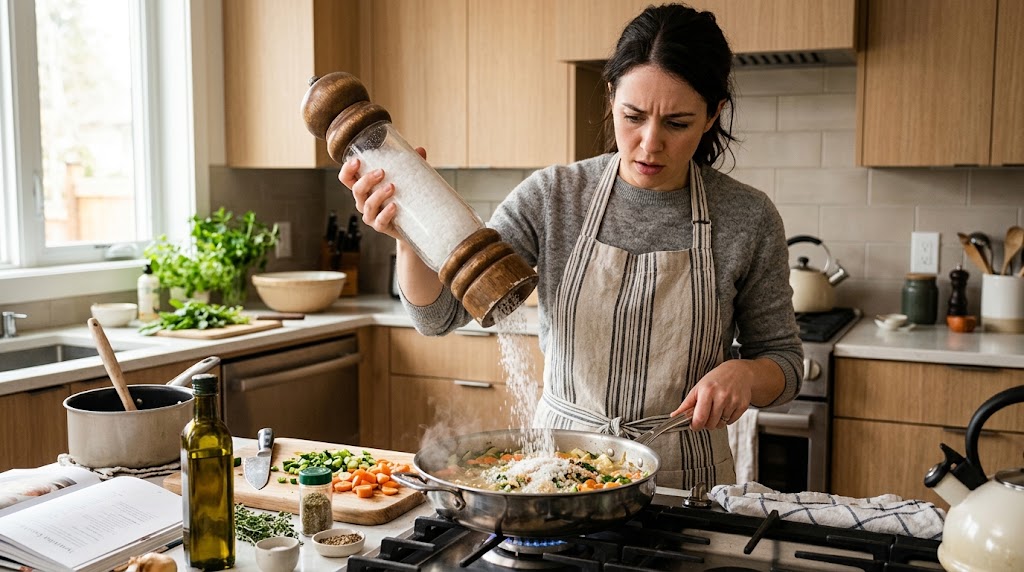
Your chicken is fused to the pan and not sticking a little? Completely bonded to the surface, as you planned it that way. The cooking mistakes beginners make almost always come down to the same handful of things, but nobody explains the actual reason they ruin your food. You try to lift the chicken, the crust tears off, and what’s left doesn’t look anything like dinner. Learning to recognize beginner cooking errors can help you prepare better meals with confidence.
Beginner Cooking Errors And How to Fix Them
Knowing the most common cooking mistakes to avoid can improve your results in the kitchen. These beginner cooking tips will help you build confidence and improve your cooking skills.
1. Heating Mistakes
1. Starting with a Cold Pan
Preventing common kitchen mistakes helps create better meals every time. Without a proper thermal layer on the surface, protein bonds to the metal immediately on contact. Preheat on medium or medium-high for 2 to 3 minutes before anything goes in. Stainless steel needs the full 3 minutes.
Quick Fix: Flick a single drop of water into the pan. It should evaporate instantly with a sharp hiss. If it just sits there and simmers quietly, give it another minute.
2. Overcrowding the Pan
Moisture can’t evaporate fast enough, and the food steams instead of sears. One layer with space between pieces, every time.
Quick Fix: If the pan looks full, it is full. Move half the food to a plate and cook in two rounds.
3. Using the Wrong Heat Level
Creating browning and flavor needs a surface temperature of around 400 to 450°F to kick in. Too low and you get pale, gray food. Too high and the outside burns before the inside finishes.
Quick Fix: Medium-high for searing protein. Medium for cooking through. Low for sauces and anything that needs time.
4. Cutting Meat Without Letting It Rest
Fixing basic cooking mistakes can instantly improve your everyday cooking. Muscle fibers contract under heat, and the juices pool in the center of the meat. Cut immediately, and those juices run straight out onto the board. Resting lets the fibers relax and pull the liquid back in. Rest thin steaks (under 1 inch) for 3 to 5 minutes. Steaks 1 to 2 inches thick need 5 to 10 minutes. A whole chicken needs 15 minutes. Large roasts need 20 to 30 minutes.
Quick Fix: Tent it loosely with foil while it rests. The crust holds, and the internal heat keeps carrying.
5. Not Checking Internal Temperature for Poultry
Poultry must reach 165°FInternally, to be safe, and cutting it open to check color isn’t reliable enough. Pink can still be safe. White can mean it’s overdone. Learning how to avoid overcooking food helps preserve flavor, texture, and moisture.
Quick Fix: A basic instant-read thermometer removes all guesswork. Insert it into the thickest part, away from the bone.
2. Seasoning Mistakes
1. Adding Salt Only at the End
Avoiding everyday cooking mistakes makes home cooking more successful and enjoyable. Salt added only at the end sits on top of the food and tastes sharp and separate. Salt added earlier penetrates as the food cooks and integrates into the flavor of the dish. This single gap explains a lot of the difference between food that tastes flat and food that actually tastes like something. Avoiding common seasoning mistakes can greatly improve the taste of your dishes.
Quick Fix: Season your protein before it hits the pan. Season vegetables before they go in the oven. Taste and adjust at the end, but never start there. Even experienced cooks can make common cooking mistakes that affect flavor and texture.
2. Under-Seasoning Your Food
Breaking kitchen habits that ruin meals can improve every recipe you prepare. Salt isn’t just about salt flavor. It makes every other flavor in the dish more present. Food that isn’t seasoned at any point will taste flat no matter how solid the technique is. If you want a deeper breakdown of when and how to add salt, acid, and fat at each stage of cooking.
Quick Fix: Season more than feels comfortable at first. Taste as you go. The goal is for the food to taste like itself, but more so. If you wonder, why does my food taste bland, proper seasoning and fresh ingredients are often the answer.
3. Forgetting to Balance Flavors with Acid
A dish that tastes almost right but is still somehow flat usually needs acid, not more salt. A squeeze of lemon, a splash of vinegar, or anything bright can shift the whole finish of the dish.
Quick Fix: Before adding more salt to a finished dish, try a small squeeze of lemon first. It works more often than people expect.
4. Moving Food Too Often While Cooking
The crust needs contact time with the hot surface to actually build. Every time you nudge things around, you’re resetting the process. Put it in the pan, set a timer, and walk away. The food is not going anywhere.
Quick Fix: Once food goes in, don’t touch it until the timer goes off. Trust the process. Small cooking errors can make a big difference in the final taste of your meal.
5. Starting to Cook Without Proper Preparation
Even professional cooks once made the same beginner chef mistakes. If you add garlic when the pan is already smoking, forget an ingredient halfway through, or have to pull the chicken off the heat to go find the thermometer, the timing falls apart.
Quick Fix: Read the full recipe once before anything gets prepped. Know what happens before the burner goes on. Practicing daily is one of the easy ways to improve cooking skills at home.
Essential Beginner Cooking Tips For Better Results
Understanding the cooking mistakes beginners make is the first step toward becoming a better cook. Understanding how to cook food correctly starts with mastering basic techniques.
Read the Recipe Before You Start
Avoiding simple kitchen mistakes can save both time and ingredients. Spend a few moments going through the entire recipe ahead of beginning your cooking. This allows you to grasp each stage, collect the necessary ingredients, and prevent errors during the cooking process. Being well-prepared enhances the enjoyment and reduces the stress of cooking.
Measure Ingredients Accurately
Preventing beginner meal preparation mistakes makes cooking more organized and enjoyable. Getting the right amounts of each ingredient makes a big difference. If you measure out your ingredients ahead of time, you can be sure that you have the right flavor, consistency, and texture. This is very important if you are baking or trying out new recipes.
Keep Your Cooking Space Organized
Set out your ingredients and tools before you turn on the stove. A clean kitchen makes it easier to follow a recipe, reduces the chances of doing things you don’t need to do, and helps you focus on the task at hand while you’re cooking.
Learn to Control Cooking Heat
Different foods need different degrees of heat. Start on medium heat unless the recipe says otherwise, then adjust as needed. You can control the heat so that things don’t burn and the ingredients cook evenly. Taste as you cook. Taste your dish as you cook so you can adjust the seasoning before serving. Add small amounts of salt, herbs, or spices gradually until you get the flavor you are after without overdoing it. Fresh ingredients usually result in better texture, taste, and overall culinary success.
Master Basic Knife Skills
Good chopping, slicing, and dicing skills save time and allow for even cooking. Good technique and a sharp knife make food preparation easier and safer.
Clean As You Cook
While your food is cooking, do the dishes, wipe off the counters, and put away your ingredients. Keeping things clean as you cook will help keep your kitchen organized and make clean-up after the meal easier.
Start with Simple Recipes
By choosing recipes with few ingredients and easy steps, you can be more confident. Learn how to cook simple dishes, and then you will have a good foundation to go on to more complex cooking techniques.
Be Patient and Keep Practicing
All cooks make mistakes as they learn. Cooking is a skill that improves with every meal you make. You'll learn different techniques and gain confidence in the kitchen as you go. Knowing the mistakes to avoid when following recipes helps you achieve better results.
Kitchen Essentials Every Beginner Cook Should Have
If you are new to cooking, the right tools can help you avoid making a ton of mistakes and make it easy to put together meals. "You don't need a fancy kitchen or lots of stuff in it to cook well." All you need are a few reliable things to improve your confidence, accuracy, and safety when cooking everyday meals. Having the right tools reduces errors, saves time, and provides better results. Invest in a good chef’s knife and a good cutting board. It is less safe to cut meat, veggies, and fruits with a dull knife. More force is needed to cut than a sharp knife. Measuring spoons and cups are very important, especially when baking and making sauces.
The exact amounts of each ingredient are critical to the final results. For most simple cooking, you will need a medium-sized saucepan, a baking sheet, and a frying pan with a heavy bottom. Other helpful tools that will make meal preparation easier are a wooden or silicone spatula, mixing bowl, whisk, tongs, and vegetable peeler. Another great purchase is an instant-read food thermometer, which helps you cook meat, poultry, and fish without overcooking, so it’s safe to eat.
A clean kitchen is a must, but the right tools are too. Clean up your work area while you are cooking. Label items in your store. Keep tools you use a lot within reach. If you are just starting out, the best bet is to build your kitchen one section at a time. Choose recipes that require more specialized tools and slowly add those tools to your repertoire as your cooking skills develop.
Conclusion
If you are new to cooking, beginners' cooking errors are part of the learning curve, not a sign of failure. It means that you are in the middle of learning. Making small tweaks made a big difference in my cooking experience, and these changes can make daily cooking easier for any beginner. Culinary skills develop through practice and perseverance, and a willingness to learn from mistakes. Begin with simple recipes, learn as you go along, and have fun becoming a better home cook. Practical home cooking tips make preparing delicious meals much easier.
Frequently Asked Questions
How can I prevent chicken from sticking to the pan without adding too much oil?
Do not add any additional oil, but be sure to dry the chicken off. Use paper towels to pat the chicken dry before placing it in the pan, and ensure the pan is fully heated (2 to 3 minutes on medium-high) before adding the chicken.
How long do you heat a pan before cooking?
Generally, for most of the pans kept on medium heat, the ideal heating time is approximately 2 to 3 minutes. Stainless steel pans usually lean towards the 3-minute mark, as they require a little more time to evenly spread heat across their surface.
Why does my food consistently turn out soggy instead of crispy?
Soggy outcomes are usually a result of one of three factors: overcrowding the pan with food (which prevents steam from escaping quickly), starting with wet food, or having the heat set too low. The key indicator is the sound when food makes contact.
What mistakes do beginner cooks make?
Setting the heat wrong is one of the most common mistakes home cooks make. If the temperature is too high, the food can burn on the outside but remain uncooked on the inside. Follow the recipe directions and have proper heat control, and your cooking will improve leaps and bounds.
What are common kitchen mistakes?
Common kitchen mistakes include skipping preparation, overcrowding the pan, and using incorrect heat.
How can beginners improve their cooking?
Home cooks can sharpen their skills by mastering the basics, reading recipes beforehand, measuring ingredients accurately, tasting food as it cooks, and making sure they don’t rush through the cooking process. Building confidence in the culinary field takes practice and learning from small mistakes.
How can I become a better home cook?
You can become a better home cook by practicing consistently and mastering simple cooking techniques.