Best Plant-Based Protein Sources to Meet Your Daily Protein Needs
Published · The Times of New York
Many people believe it is hard to get enough protein without eating meat. This is one of the biggest reasons people hesitate to follow a plant-based diet…
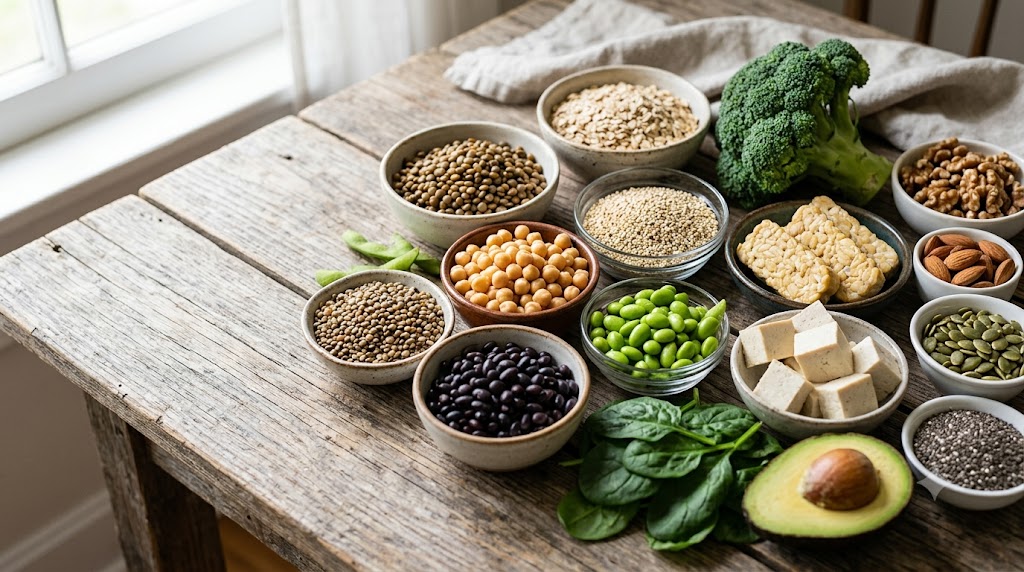
Many people believe it is hard to get enough protein without eating meat. This is one of the biggest reasons people hesitate to follow a plant-based diet. In reality, the best plant-based protein sources can provide plenty of protein while also offering fiber, vitamins, minerals, and antioxidants. Research shows that a balanced diet filled with plant-based protein sources can support muscle health, energy levels, weight management, and overall wellness. The key is knowing which foods to choose and how to include them in everyday meals.
Protein is an important nutrient that helps build muscles, repair body tissues, support the immune system, and keep you feeling full for longer. Many high-protein plant foods contain valuable nutrients that are often missing from processed foods. By eating a variety of plant protein foods, you can meet your daily protein needs without depending on meat. This complete guide explains the best options, how much protein you need, and practical ways to include more protein-rich plant foods in your daily routine.
Why Protein is Essential in a Plant-Based Diet?
Protein plays a major role in almost every function of the body. It helps build muscles, supports healthy skin, strengthens bones, and produces hormones and enzymes that keep the body working properly. Many people think animal foods are the only reliable source of protein, but many healthy plant-based proteins provide the nutrients your body needs.
A well-planned plant-based protein diet can support people of all ages, from children to older adults. It can also benefit active individuals, athletes, and those trying to maintain a healthy weight. Many vegan protein sources and vegetarian protein sources are naturally rich in fiber, making meals more filling while supporting heart health and healthy digestion.
What are Complete Plant Proteins?
Proteins are made of amino acids, which are often called the building blocks of the body. Some foods contain all nine essential amino acids in the right amounts. These foods are known as complete plant proteins. Although many plant foods contain lower amounts of one or two amino acids, eating a variety of foods during the day provides everything your body needs.
Foods such as quinoa, soybeans, tofu, tempeh, and edamame are excellent examples of complete protein choices. Other foods like beans, lentils, whole grains, nuts, and seeds also contribute valuable protein. Mixing these foods across meals creates a balanced eating pattern that supports muscle repair, healthy body function, and long-term wellness. There is no need to combine every protein source in one meal as long as your daily diet includes a wide variety of nutritious plant foods.
Top 10 Best Plant-Based Protein Sources
Choosing a variety of best plant-based foods for protein makes it much easier to meet your daily nutrition goals. Every food offers its own mix of protein, vitamins, minerals, and fiber. Instead of relying on one source, try adding different foods high in plant protein to your meals throughout the week. This approach supports better nutrition and keeps meals interesting.
The following foods are among the most nutritious protein-rich plant foods. They can be used in breakfast, lunch, dinner, or snacks. Most are affordable, easy to find, and simple to cook, making them a great choice for people following a plant-based lifestyle.
1. Lentils
Lentils are one of the most popular plant protein foods because they are affordable, filling, and packed with nutrients. One cooked cup provides around 18 grams of protein, along with fiber, iron, folate, and potassium. Their high fiber content supports digestion and helps you stay full for longer, making them a good choice for weight management.
Lentils can be added to soups, curries, salads, rice dishes, and wraps. They cook quickly and absorb the flavor of herbs and spices very well. If you are looking for healthy protein alternatives to meat, lentils are one of the easiest foods to include in your weekly meal plan.
2. Chickpeas
Chickpeas are another excellent choice among protein-rich foods for vegetarians. One cooked cup contains about 15 grams of protein while also providing fiber, magnesium, iron, and several B vitamins. They support heart health and help maintain steady energy throughout the day.
These versatile legumes can be roasted for snacks, blended into hummus, added to salads, or mixed into curries and pasta dishes. Chickpeas are one of the best legumes for protein and fit well into many different cuisines.
3. Tofu
Tofu is made from soybeans and is one of the richest vegan protein sources available. A serving provides around 10 to 15 grams of protein, depending on the type. It also contains calcium, iron, and all nine essential amino acids, making it a complete protein.
Its mild flavor allows it to work well in stir-fries, grilled dishes, sandwiches, soups, and salads. Tofu absorbs marinades easily, making it suitable for many recipes. People seeking plant-based protein for muscle growth often include tofu as a regular part of their meals for its high-quality protein content.
4. Tempeh
Tempeh is another soy-based food that is made by fermenting whole soybeans. This process gives it a firm texture and a rich, nutty flavor. A serving of tempeh provides about 18–20 grams of protein, making it one of the high-protein vegan foods available today. It is also a good source of iron, calcium, magnesium, and fiber.
Tempeh works well in stir-fries, sandwiches, wraps, grain bowls, and salads. Because it is a complete protein, it supports muscle repair and daily body functions. If you are looking for the best protein sources for vegans, tempeh is a smart choice that adds both nutrition and flavor to meals.
5. Edamame
Edamame are young soybeans harvested before they fully mature. They are naturally rich in protein, fiber, folate, vitamin K, and several minerals. One cooked cup provides about 18 grams of protein, making edamame one of the healthy plant-based proteins you can enjoy as a meal or snack.
You can steam edamame, sprinkle it with a little salt, and add it to salads, grain bowls, noodle dishes, or soups. Since soy contains all the essential amino acids, edamame is also considered one of the complete plant proteins that supports a balanced diet.
6. Quinoa
Quinoa is often called a superfood because it provides protein along with fiber, magnesium, iron, and antioxidants. One cooked cup contains around 8 grams of protein. Unlike many grains, quinoa contains all nine essential amino acids, making it a valuable protein source for people following a plant-based lifestyle.
Quinoa is easy to prepare and can replace rice in many dishes. It works well in salads, breakfast bowls, stuffed vegetables, soups, and side dishes. If you are searching for protein sources without meat, quinoa is a nutritious whole grain that fits into almost any meal.
7. Nuts and Seeds
Nuts and seeds are small but packed with nutrition. Almonds, peanuts, walnuts, chia seeds, hemp seeds, pumpkin seeds, and flaxseeds all provide protein, healthy fats, fiber, and important minerals. Hemp seeds and pumpkin seeds are among the richest sources, while peanut butter is an easy way to increase protein intake during the day.
You can add nuts and seeds to oatmeal, smoothies, yogurt alternatives, salads, or homemade snack bars. They also make excellent high-protein vegan snacks that are easy to carry. Including a variety of nuts and seeds in your diet helps increase both protein and healthy fat intake while supporting heart health and long-lasting energy.
8. Beans
Beans are one of the most affordable and nutritious plant-based protein sources. Black beans, kidney beans, pinto beans, and navy beans all provide a generous amount of protein along with fiber, iron, potassium, and antioxidants. One cooked cup usually contains around 15 grams of protein, making beans a satisfying addition to everyday meals.
Beans are very versatile and can be used in soups, chili, tacos, burritos, salads, and rice dishes. They also help you stay full for longer, which may support healthy weight management. If you are looking for plant protein for weight loss, adding beans to your meals is a simple and nutritious choice.
9. Oats and Whole Grains
Oats and whole grains may not contain as much protein as legumes or soy foods, but they still make an important contribution to your daily intake. Oats, brown rice, barley, and whole wheat contain protein along with fiber, B vitamins, and minerals that support overall health. Eating a variety of grains also helps create a balanced diet.
Start your day with oatmeal topped with nuts and seeds, or enjoy brown rice with beans and vegetables for lunch or dinner. Combining grains with legumes creates meals that are rich in protein and other important nutrients. These foods are excellent for anyone following a plant-based nutrition guide.
10. Pea Protein and Plant Protein Powder
Some people struggle to meet their protein goals through food alone. In these cases, pea protein or other protein powder options made from plants can be helpful. Many products provide 20–30 grams of protein per serving and are commonly used after exercise or as part of a busy lifestyle.
Choose products with simple ingredient lists and little or no added sugar. Plant protein powder can be blended into smoothies, mixed with oatmeal, or added to pancake batter. While supplements are convenient, whole foods should remain the main source of nutrition whenever possible.
Easy Ways to Get More Plant Protein Every Day
Meeting your daily protein needs on a plant-based diet does not have to be difficult. Small changes in your daily meals can make a big difference. By planning meals around protein-rich ingredients, you can enjoy balanced nutrition without relying on meat. Some easy ideas include:
- Add beans or lentils to soups, salads, and rice dishes.
- Include tofu or tempeh in stir-fries and sandwiches.
- Snack on roasted chickpeas or mixed nuts.
- Sprinkle chia, hemp, or pumpkin seeds over oatmeal and smoothies.
- Replace white rice with quinoa in some meals.
- Spread peanut butter on whole-grain toast or fruit.
- Keep cooked beans and lentils ready for quick meals.
- Use plant protein powder after workouts if needed.
How to Get Enough Protein on a Plant-Based Diet?
Many people ask how to get enough protein on a plant-based diet without eating meat, poultry, or fish. The good news is that most people can meet their protein needs by eating a variety of whole plant foods throughout the day. Instead of focusing on one food, include legumes, soy foods, whole grains, nuts, and seeds in your meals.
Meal planning also makes a big difference. Try to include a protein source with every meal and snack. For example, start the day with oatmeal and peanut butter, enjoy a lentil salad for lunch, snack on roasted chickpeas, and have tofu with vegetables and quinoa for dinner. This simple approach helps you build balanced meals while making it easier to reach your daily protein target.
How Much Protein Do You Need Daily?
Your daily protein requirement depends on factors such as age, body weight, activity level, and health goals. For most healthy adults, the recommended dietary allowance is about 0.8 grams of protein per kilogram of body weight. People who exercise regularly, older adults, or those working to build muscle may need more.
Athletes and highly active individuals often benefit from higher protein intake spread across the day. Choosing different protein foods for a vegan diet can help meet these needs while providing a wide range of nutrients. If you have a medical condition or specific dietary needs, it is a good idea to speak with a registered dietitian or healthcare professional for personal guidance.
How to Build Muscle with Plant Protein?
Yes. Research shows that muscle growth depends on getting enough total protein, eating enough calories, and following a regular strength training program. Many athletes successfully build muscle while eating a plant-based diet by including foods such as tofu, tempeh, lentils, beans, quinoa, edamame, and pea protein.
It is also helpful to spread protein intake across the day instead of eating most of it in one meal. A balanced diet with different healthy plant-based proteins supplies the amino acids your muscles need for recovery and growth. Combined with regular exercise and good sleep, plant protein can support strength, performance, and long-term fitness goals.
Conclusion
Choosing the best plant-based protein sources is a simple way to support your health while enjoying a wide variety of delicious foods. Eating different protein-rich foods throughout the day makes it easier to meet your nutritional needs and maintain a balanced diet. By planning your meals and including a variety of plant-based protein sources, you can meet your daily protein goals, support muscle health, and enjoy long-term wellness. Looking to improve your diet? Start by adding one new plant-based protein food to your meals this week and build healthier eating habits one step at a time.
Frequently Asked Questions
What are the best plant-based protein sources?
Some of the best options include lentils, chickpeas, tofu, tempeh, edamame, quinoa, beans, nuts, seeds, and whole grains. Eating a variety of these foods helps meet daily protein needs.
Is plant protein as good as animal protein?
Yes. When you eat a balanced diet with different plant protein foods, you can get all the essential amino acids your body needs for good health.
Which plant foods are highest in protein?
Soy foods like tofu, tempeh, and edamame are among the highest. Lentils, beans, chickpeas, hemp seeds, and pea protein are also excellent choices.
Can vegans get enough protein without supplements?
Yes. Most people can meet their protein needs through whole foods if they eat enough calories and include a variety of protein-rich plant foods every day.
Which nuts and seeds have the most protein?
Peanuts, almonds, pumpkin seeds, hemp seeds, and chia seeds are among the best choices for increasing protein intake naturally.
Are legumes a good source of protein?
Yes. Legumes such as lentils, chickpeas, black beans, kidney beans, and soybeans are excellent sources of plant protein. They also provide fiber, iron, folate, and other important nutrients that support heart health, digestion, and long-lasting energy.
What are complete plant proteins?
Complete plant proteins contain all nine essential amino acids that the body cannot make on its own. Foods such as tofu, tempeh, edamame, soybeans, and quinoa are considered complete plant proteins.