Home-Based Fitness And Virtual Health: The Future Of Personalized Wellness
Published · The Times of New York
Staying healthy has become easier than ever with home-based fitness and virtual health solutions. People no longer need to visit a gym or clinic for every…
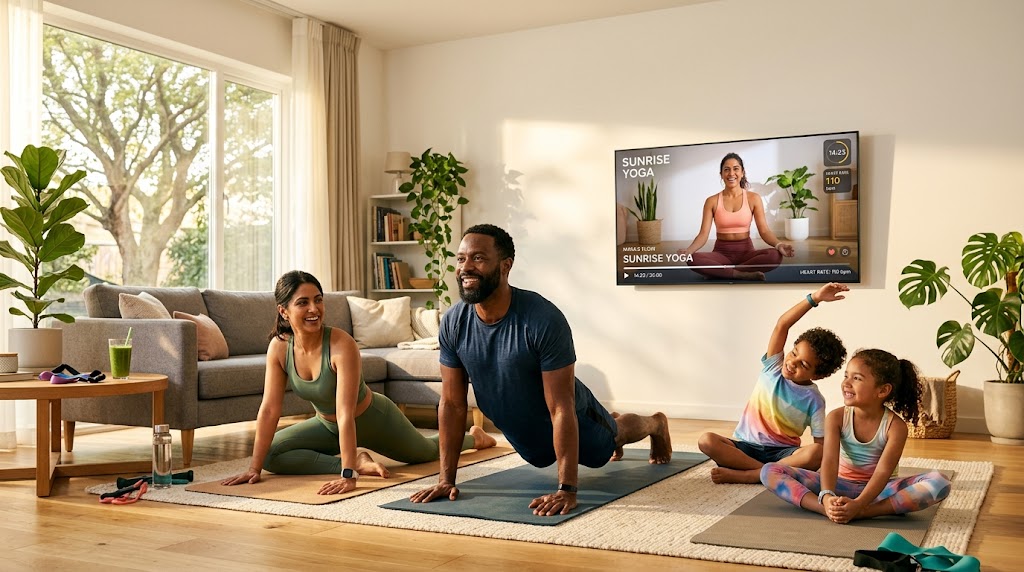
Staying healthy has become easier than ever with home-based fitness and virtual health solutions.
People no longer need to visit a gym or clinic for every health concern. Modern technology now brings fitness training and healthcare directly into the home. It makes personalized wellness more accessible for people of all ages. Many people struggle to balance work, family, and personal health.
Busy schedules often make regular exercise and medical appointments difficult. Today’s digital health tools, online fitness programs, and telehealth services help solve these challenges. From workout apps to virtual doctor visits, people can now receive professional support without leaving home. As technology continues to improve, remote healthcare and fitness at home are shaping a healthier future.
Why is Home-Based Fitness Becoming the New Normal?
People want simple ways to stay active without spending hours traveling to a gym. The rise of smart technology has made home-based fitness practical, affordable, and effective. Many families now create workout spaces at home where they can exercise whenever it suits their schedule. This flexibility helps people stay consistent and build healthier habits over time.
Research shows that regular physical activity improves heart health, strengthens muscles, and supports mental well-being. Home workouts remove common barriers such as travel time, crowded gyms, and expensive memberships. With guided videos and home workout routines, people can safely exercise at their own pace. Even beginners can start small and gradually build confidence while improving overall fitness.
How does Virtual Health Support Everyday Wellness?
Healthcare is becoming more convenient through virtual health services. Patients can connect with healthcare professionals using secure video calls or mobile applications. Many common health concerns can now be discussed without visiting a clinic. This saves time and improves access for busy families, older adults, and people living in remote areas.
The growth of virtual healthcare also supports ongoing health management. Doctors can review symptoms, discuss treatment plans, and provide follow-up care online. Many healthcare providers now combine virtual visits with online health services to improve patient experiences. This approach makes healthcare more flexible while helping people receive timely medical support.
How Personalized Wellness is Changing Healthy Living?
Everyone has different health goals, fitness levels, and daily routines. That is why personalized wellness is becoming more popular than one-size-fits-all fitness plans. Modern technology collects useful information about activity, sleep, and heart rate. This helps people receive health advice that matches their individual needs.
Personalized programs also make it easier to stay motivated. Small adjustments based on personal progress can improve long-term results. Many people now use personalized fitness plans to build healthier habits without feeling overwhelmed. These customized programs encourage steady improvement instead of expecting quick changes.
Benefits of Home-Based Fitness
One of the biggest benefits of home-based fitness is convenience. People can exercise before work, during lunch, or in the evening. There is no need to travel or wait for equipment. This flexibility helps many people maintain a regular fitness routine.
Home workouts can also reduce costs while supporting better health. Families save money on gym memberships and transportation. With simple equipment or bodyweight exercises, anyone can build strength and improve fitness. Many home exercise programs are designed for beginners and experienced users alike.
Key Benefits
Home fitness offers practical advantages for almost every lifestyle. It supports long-term healthy habits while making exercise easier to fit into daily life. Many people find they are more consistent when working out at home. The following benefits explain why this approach continues to grow.
- Saves travel time.
- Fits busy schedules.
- Reduces fitness costs.
- Increases workout consistency.
- Provides greater privacy.
- Supports all fitness levels.
- Makes healthy habits easier to maintain.
- Encourages the whole family to stay active.
Technology Behind Modern Home Fitness
Technology has transformed the way people exercise at home. Interactive workout platforms now provide professional guidance through phones, tablets, and smart televisions. Live classes and recorded sessions give users the freedom to choose workouts anytime.
This flexibility helps people stay active without changing their daily schedule.
Smart devices also make home workouts more effective. Many systems measure calories burned, heart rate, and exercise performance. These insights help users understand their progress and adjust their routines safely. Modern fitness technology trends continue improving the home fitness experience every year.
AI Fitness Apps and Smart Fitness Technology
Artificial intelligence is making fitness more personal than ever. Many AI fitness apps recommend exercises based on age, goals, and previous workout performance. These apps can adjust training plans automatically as users improve. This creates a more enjoyable and effective fitness journey.
Today’s smart fitness technology also connects with wearable devices and health platforms. Users can track workouts, sleep, heart rate, and daily movement in one place. Many fitness tracking apps provide reminders and progress reports that encourage consistency. Together, these innovations help people make smarter decisions about their health every day.
Virtual Fitness Coaching Brings Expert Support Home
Professional guidance is no longer limited to gyms.
Many people now choose virtual fitness coaching because it offers flexibility and personal attention. Certified trainers create workout plans based on individual goals and fitness levels. Regular online sessions also help people stay motivated and accountable.
Virtual coaching allows users to exercise in a comfortable environment. Trainers can adjust routines based on progress, injuries, or changing fitness goals. Many online fitness coaching benefits include improved consistency, better form, and ongoing encouragement. This personalized approach helps people build confidence while achieving lasting results.
Wearable Fitness Devices Improve Daily Health Tracking
Modern wearable fitness devices have changed how people monitor their health. Smartwatches and fitness bands track steps, heart rate, sleep, and daily activity. These devices provide instant feedback that helps users understand their habits. Small daily improvements can lead to meaningful long-term health benefits.
Many health monitoring devices also send reminders to stay active and maintain healthy routines.
Some models can detect unusual heart rate patterns or monitor blood oxygen levels. Combined with smart health devices, these tools support better decision-making every day. They encourage users to stay engaged with their health between medical visits.
Popular Features of Wearable Devices
Wearable technology gives users valuable health information throughout the day. The collected data supports better fitness planning and healthier lifestyle choices. Many devices work with smartphones to provide easy-to-read reports. Popular features include:
- Step counting
- Heart rate tracking
- Sleep monitoring
- Activity reminders
- Workout recording
- Stress tracking
- Calorie estimation
- Health data sharing with supported apps
How is Telehealth Changing Healthcare?
The growth of telehealth has made healthcare more accessible than ever. Patients can speak with healthcare providers through secure video or phone appointments. This reduces travel time and makes routine care easier to manage. Many people now receive medical advice without leaving their homes.
One of the biggest advantages is faster access to care. Virtual appointments are often available sooner than traditional visits. Understanding how virtual health is changing healthcare helps people appreciate the value of digital medical services. For many non-emergency concerns, telehealth offers a convenient and reliable option.
Remote Patient Monitoring Supports Long-Term Care
Healthcare providers increasingly use remote patient monitoring to follow patients outside the clinic. Connected devices collect important health information and securely share it with medical teams. This allows doctors to identify changes earlier and respond more quickly when needed. It also helps patients stay involved in managing their own health.
People living with ongoing conditions often benefit the most from this technology. Regular monitoring can reduce unnecessary hospital visits and improve treatment planning. Many connected healthcare systems combine wearable devices with secure digital platforms. This creates a more proactive approach to everyday health management.
Virtual Doctor Consultations Make Healthcare Convenient
Many people now schedule virtual doctor consultations for common medical concerns. These appointments allow patients to discuss symptoms, review medications, and receive professional guidance from home. The process is simple and often saves valuable time. It also reduces the need for unnecessary travel.
Virtual consultations are especially helpful for follow-up appointments and routine care. Patients can ask questions, receive treatment advice, and discuss test results online. Many telemedicine services continue expanding to improve access for families, seniors, and people in rural communities. This convenience is shaping the future of modern healthcare.
Best Home Fitness Apps for Everyday Wellness
Finding the right app can make home-based fitness more enjoyable and consistent. Many platforms offer guided workouts, progress tracking, and nutrition support in one place. The best home fitness apps help users stay active without needing expensive equipment.
They also provide routines that match different fitness levels and personal goals.
Some apps focus on strength training, while others offer yoga, cardio, or stretching sessions. Many include video demonstrations to help users perform exercises safely. Combined with digital wellness solutions, these apps make it easier to maintain a healthy lifestyle. Choosing an app that fits your needs can improve motivation and long-term success.
Features to Look for in a Home Fitness App
Not every fitness app offers the same experience. Choosing the right features can improve your results and make workouts more enjoyable. Before downloading an app, compare its tools and support options. Look for features such as:
- Personalized workout plans
- Progress tracking
- Video exercise guidance
- Goal setting tools
- Nutrition support
- Device compatibility
- Community challenges
- Regular content updates
Smart Home Gym Technology is Changing Fitness
Today’s smart home gym equipment creates an interactive workout experience. Connected machines provide live classes, performance feedback, and real-time coaching. Many systems automatically adjust resistance based on the user’s ability. This makes workouts safer and more effective.
Modern home fitness technology also connects with mobile apps and wearable devices. Users can monitor progress, set new goals, and review detailed workout reports. These innovations create a complete fitness experience without leaving home. As technology improves, home gyms continue becoming smarter and more accessible.
Telehealth vs In Person Healthcare
Many people wonder about telehealth vs in-person healthcare when choosing medical care.
Both options offer valuable benefits depending on the situation. Virtual appointments are ideal for routine follow-ups, medication reviews, and general health advice. In-person visits remain important for emergencies, physical examinations, and diagnostic testing.
The best approach often combines both services.
Patients can use virtual medical care for convenience while visiting clinics when hands-on care is necessary.
This balanced model improves access and supports better long-term health outcomes. Healthcare providers continue expanding digital services alongside traditional care.
Benefits of Virtual Health for Seniors
Older adults can benefit greatly from virtual healthcare for seniors. Online appointments reduce the need for frequent travel and long waiting times. This makes healthcare easier for individuals with limited mobility. Family members can also join virtual visits to support loved ones.
Many seniors use at-home healthcare tools to monitor blood pressure, blood sugar, and other health measurements. Healthcare providers can review this information remotely and recommend appropriate care. This ongoing connection improves confidence and supports independent living. Digital healthcare continues making quality medical services more accessible for older adults.
Virtual Health for Chronic Disease Management
People living with long-term conditions often require regular medical follow-up. Virtual health for chronic disease management helps patients stay connected with healthcare professionals between clinic visits. Digital monitoring allows early identification of health changes. This supports faster treatment decisions and better disease control.
Many online health services work together with remote monitoring devices to improve patient care. Doctors can review health information, adjust treatment plans, and answer questions virtually. This continuous support encourages better treatment adherence and improves overall quality of life. It also reduces unnecessary hospital visits for many patients.
The Future of Personalized Wellness
The future of health is becoming more connected, convenient, and personalized. Home-based fitness, virtual health, and modern technology are helping people take greater control of their well-being. From AI-powered workout plans to virtual medical consultations, digital solutions continue transforming everyday healthcare.
These innovations make it easier to stay active, monitor health, and receive professional support from home. As technology continues to evolve, personalized wellness will become even more effective. People will benefit from smarter devices, better health insights, and more convenient care options. Combining healthy habits with digital tools can improve both physical and mental well-being.
How to Build a Home Based Fitness Routine?
Creating a successful home-based fitness routine starts with setting realistic goals. You do not need expensive equipment or long workout sessions to see results. Many people use personalized fitness plans to organize weekly workouts and track progress. Adding variety prevents boredom and challenges different muscle groups.
You can combine bodyweight exercises, resistance bands, or light weights with walking or cycling. Remember to include rest days because recovery is essential for muscle growth and overall wellness. Using fitness tracking apps can help monitor your activity and celebrate milestones. Regular progress checks make it easier to adjust your routine based on changing goals.
Tips for Building a Sustainable Routine
A long-term fitness routine should fit naturally into your lifestyle. Simple habits often produce better results than complicated plans. Focus on progress rather than perfection. The following tips can help you stay consistent.
- Set realistic weekly fitness goals.
- Schedule workouts at the same time each day.
- Begin with short sessions and increase gradually.
- Mix strength, cardio, and flexibility exercises.
- Stay hydrated before and after workouts.
- Track your progress regularly.
- Celebrate small achievements to stay motivated.
- Adjust your routine as your fitness improves.
Conclusion
Home-based fitness is changing the way people approach health and daily exercise. Combined with virtual health, it offers a convenient and flexible way to stay active and manage overall well-being. Modern technology makes it easier to access professional guidance, monitor progress, and build healthy habits from home. From virtual consultations to AI-powered fitness solutions, people have more opportunities than ever to take control of their health. With consistency, the right support, and a commitment to healthy living, anyone can create a lifestyle that promotes long-term wellness.
Frequently Asked Questions
What is home-based fitness?
Home-based fitness is exercising at home using bodyweight exercises, fitness equipment, or digital workout programs instead of attending a gym.
Is home fitness effective?
Yes. With consistency and the right routine, home workouts can improve strength, flexibility, heart health, and overall fitness.
How does virtual healthcare work?
Virtual healthcare connects patients with healthcare providers through secure video calls, phone consultations, or online health platforms for non-emergency medical care.
What are the benefits of telehealth?
Telehealth saves travel time, improves access to healthcare, supports follow-up appointments, and makes medical advice more convenient.
How do wearable devices improve health?
Wearable devices monitor daily activity, heart rate, sleep, and other health metrics. This information helps users make healthier lifestyle decisions.
Can virtual health replace doctor visits?
Virtual health is excellent for many routine healthcare needs. However, in-person visits remain necessary for emergencies, physical examinations, and certain diagnostic procedures.
What are the best home workout apps?
The best home workout apps depend on your fitness goals and experience level. Popular options include Nike Training Club, FitOn, Peloton, Apple Fitness+, and Centr. These apps offer guided workouts, personalized training plans, progress tracking, and exercises for beginners as well as advanced users, making it easier to stay active and consistent at home.