Micro-Workouts: The Smart Way to Stay Fit When You Are On Short Time
Published · The Times of New York
Life gets busy, and finding an hour for the gym is not always realistic. That is why micro-workouts have become a popular fitness solution. These short se…
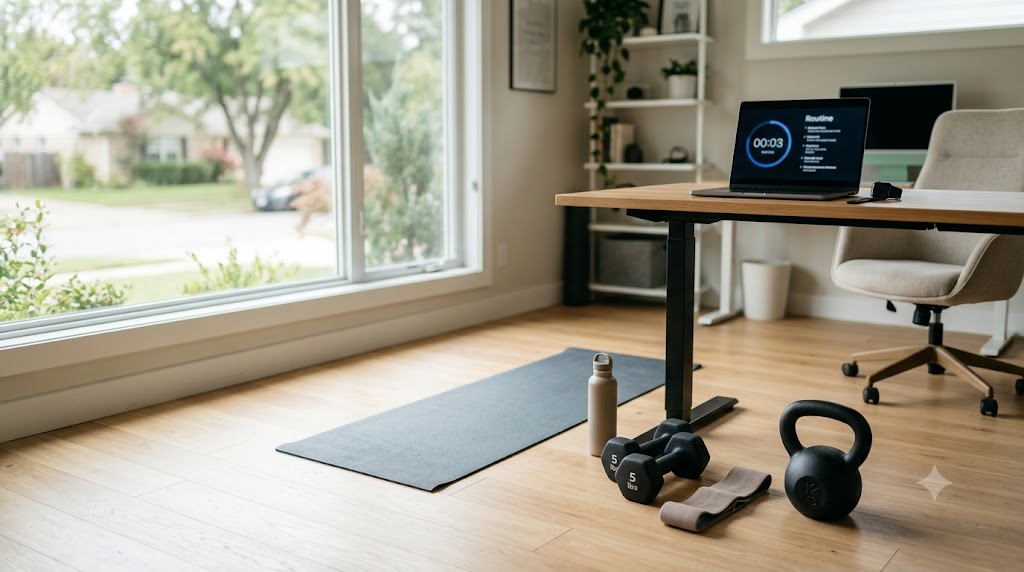
Life gets busy, and finding an hour for the gym is not always realistic. That is why micro-workouts have become a popular fitness solution. These short sessions help people stay active without changing their entire schedule. Research shows that even brief periods of physical activity can support heart health, improve strength, and increase energy when done consistently. Instead of waiting for the perfect time to exercise, many people now choose small sessions that fit into their day.
Many people think they need long training sessions to see results, but that is not always true. A few minutes of movement several times a day can make a real difference. If your goal is to stay fit, improve your energy, or build healthy habits, short exercise sessions are worth trying. This guide explains how these workouts work, why they are effective, and how you can make them part of your daily routine.
What are Micro Workouts?
Many people ask, what are micro-workouts? They are short exercise sessions that usually last between one and fifteen minutes. Instead of completing one long workout, you spread small bursts of activity throughout the day. This approach makes fitness more manageable for people with busy schedules while still supporting their health and wellness goals.
These sessions can include strength exercises, cardio workouts, stretching, or mobility exercises. The idea is not to spend hours exercising but to move consistently. Even a few minutes of activity before work, during lunch, or after dinner can contribute to better fitness over time. When repeated regularly, these short sessions become part of a sustainable lifestyle rather than a difficult routine.
Why are Micro Workouts Becoming So Popular?
Fitness routine is a structured exercise plan that helps improve strength, endurance, flexibility, and overall health through consistent physical activity. Modern life leaves little room for long gym visits. Between work, family, studies, and daily responsibilities, many people struggle to maintain a regular exercise schedule.
Fitness for busy people has become more important than ever, and shorter sessions make it easier to stay committed without feeling overwhelmed. Another reason for their popularity is flexibility. You can exercise in your living room, office, or even outdoors without special equipment. These sessions fit into almost any schedule and help people stay active without disrupting their day. That convenience makes them easier to maintain over the long term.
Benefits of Micro Workouts
Many people wonder about the benefits of micro-workouts before making them part of their schedule. Research suggests that several short sessions can improve health when done consistently. Small amounts of movement spread throughout the day can increase energy, improve mood, support heart health, and reduce the effects of sitting for long hours. The biggest advantage is that almost anyone can fit these sessions into a busy day.
Metabolism boost refers to increasing the body’s calorie-burning rate through regular exercise, strength training, and healthy lifestyle habits. Another major exercise benefit is consistency. Long workout plans often feel difficult to maintain, while shorter sessions are easier to repeat every day. Over time, these small efforts can become lasting habits that support better health.
Regular movement also helps improve focus, reduce stress, and make daily activities feel easier. Workplace wellness focuses on creating a healthier work environment that supports employees’ physical, mental, and emotional well-being while improving productivity and job satisfaction.
How Mini Workouts Build Healthy Habits?
Building a fitness habit starts with small actions. Mini workouts make exercise feel simple instead of overwhelming. Since they require little time, people are more likely to repeat them every day. Consistency matters far more than doing one long workout once a week. Small sessions also encourage regular movement instead of long periods of sitting.
Standing up, stretching, squatting, or doing a few push-ups throughout the day can help improve daily activity levels while making exercise feel like a natural part of life. Many people skip exercise because they believe they need a large block of free time. Quick workouts remove that barrier.
You can complete a few exercises before work, during a coffee break, or while waiting for dinner to cook. Every small session adds more movement to your day. These workouts also reduce the pressure of following a strict schedule. Missing one session does not mean the whole day is lost. You can simply fit another short workout into your routine whenever you have a few free minutes.
Can 10 Minute Workouts Make a Difference?
Many people ask if 10-minute workouts are enough to improve fitness. Studies show that short sessions performed at a good intensity can support heart health, muscle strength, and calorie burning. While they may not replace advanced athletic training, they are an excellent option for maintaining an active lifestyle.
Home fitness makes it easy to stay active with convenient workouts that improve strength, flexibility, and overall health without needing a gym membership. A ten-minute wellness routine is also easier to commit to than a longer session. Knowing that the workout will be over quickly helps people stay motivated. Over weeks and months, these small efforts can produce noticeable improvements in overall fitness and energy.
Why Do People Choose Short Workouts?
Not everyone has time for a one-hour gym session. Short workouts give people the freedom to exercise without changing their daily schedule. A few minutes in the morning, another session during lunch, and a quick routine in the evening can add up to meaningful physical activity. These sessions are also less intimidating for beginners. Instead of worrying about completing a long workout, people can focus on just a few minutes of movement.
This approach often leads to better consistency because the goal feels realistic and achievable. Healthy living is often the result of small actions repeated every day. Developing daily fitness habits does not require expensive equipment or a gym membership. A few minutes of movement several times a day can become part of your normal routine without adding extra stress.
Are Micro Workouts Effective?
Many people ask, how effective are micro-workouts? Research shows that short sessions can improve fitness when they are performed regularly and with good effort. Health experts agree that total physical activity over the day matters more than completing one long workout. Several short sessions can improve heart health, increase strength, and support better overall fitness when they become part of a regular routine.
Interval training alternates between high-intensity exercise and short recovery periods to improve cardiovascular fitness, endurance, and calorie burn in less time. Doing a few minutes of exercise once in a while may not lead to noticeable changes, but repeating short sessions throughout the week can produce lasting results.
As your fitness improves, you can increase the intensity or add new exercises to keep making progress. As these habits grow, many people notice improvements in stamina, mood, and productivity. The goal is not perfection but regular movement that supports long-term health.
Can Micro Workouts for Weight Loss Help?
Many people hope micro-workouts for weight loss can replace longer exercise sessions. While no workout alone causes weight loss, short exercise sessions can increase daily calorie use and support a healthy eating plan. Moving more often also helps reduce long periods of sitting, which benefits overall health. Weight loss depends on several factors, including nutrition, sleep, and regular physical activity.
Short workouts make it easier to stay active every day, and that consistency can support gradual and lasting progress toward a healthy body weight. You do not need a complicated program. HIIT workouts combine short bursts of intense exercise with brief rest intervals to improve endurance, strength, and fat loss.
A simple routine that targets different muscle groups throughout the day can help improve fitness while fitting into a busy schedule. The goal is to move regularly rather than waiting for the perfect time to exercise. Endurance training enhances the body’s ability to sustain physical activity for longer periods by improving cardiovascular and muscular stamina.
Can Micro Workouts Build Muscle?
Another common question is, can micro-workouts build muscle? The answer is yes, if the exercises challenge your muscles and you increase the difficulty over time. Bodyweight movements like push-ups, squats, lunges, and planks can strengthen muscles even in short sessions. As you become stronger, you can add more repetitions, increase the intensity, or include resistance bands or weights. Muscle building involves resistance training and proper nutrition to increase muscle mass, strength, and physical performance.
Combined with enough protein and proper recovery, short strength training sessions can contribute to muscle growth over time. Finding the best micro-workout routines depends on your fitness level and goals. Some people focus on strength, while others want better endurance or flexibility. The good news is that even a few minutes of planned movement can provide real benefits.
Micro Workouts at Home
Many people prefer micro-workouts at home because they are convenient and require very little preparation. You can complete a short routine in your bedroom, living room, or backyard without spending time traveling to a gym. Calorie burning exercises help increase energy expenditure, making it easier to support weight management and overall fitness goals.
Working out at home also removes common excuses. You can exercise before breakfast, during a work break, or after dinner. This flexibility makes it easier to stay committed to your fitness goals throughout the week.
List of Simple Exercises
If you are looking for the best exercises for micro-workouts, start with basic movements that work multiple muscle groups. These exercises are suitable for most fitness levels and can be completed in just a few minutes.
- Squats
- Push-ups
- Lunges
- Planks
- Mountain climbers
- Jumping jacks
- High knees
- Glute bridges
- Step-ups
- Wall sits
Daily Micro Workout Routine
Creating a daily micro-workout routine does not need to be complicated. The goal is to spread movement throughout your day instead of waiting for one long workout session. Even small breaks for exercise can improve energy levels and help reduce the effects of prolonged sitting. Here is an example of a simple daily exercise plan that fits into a busy schedule:
- Morning: 10 bodyweight squats and 10 push-ups.
- Mid-morning: One minute of marching or jogging in place.
- Lunch break: One minute of lunges and one minute of planks.
- Afternoon: A short stretching session and shoulder rolls.
- Evening: A few minutes of jumping jacks and light core exercises.
Micro Workout for Beginners
Starting a fitness journey does not have to feel difficult. Micro-workouts for beginners are a simple way to build confidence without spending a long time exercising. Short sessions allow your body to adjust gradually, making it easier to stay motivated. As your strength and stamina improve, you can slowly increase the number of exercises or the intensity of each session.
The best approach is to begin with basic movements and focus on proper form. A few minutes of activity each day is enough to create a routine that feels manageable. Regular practice helps build confidence and makes exercise a natural part of your lifestyle instead of a task you keep postponing.
Micro Workouts Without Equipment
One of the biggest advantages of micro-workouts without equipment is that you can do them almost anywhere. Your own body provides enough resistance for many effective exercises. This makes it easy to stay active at home, in a hotel room, at a park, or even during a break at work. Bodyweight movements also improve balance, coordination, and strength at the same time. Since no equipment is needed, there are fewer barriers to getting started.
You can complete a quick session whenever you have a few free minutes, making it easier to stay consistent throughout the week. Simple changes like standing up every hour, stretching between meetings, walking after meals, or doing a few bodyweight exercises during breaks can increase your daily movement. These small actions help build a healthier routine while making regular exercise easier to maintain.
Micro Workouts for Busy Professionals
Finding time to exercise is one of the biggest challenges for working adults. Micro-workouts for busy professionals offer a practical way to fit movement into a packed schedule. A short session before work, another during lunch, and a few minutes after work can provide meaningful physical activity without affecting productivity.These brief workouts can also improve focus and reduce feelings of fatigue during the workday.
Taking active breaks instead of remaining seated for hours helps many people feel refreshed and ready to return to their tasks with better concentration. Many people ask how to stay active during a busy day without disrupting work or family responsibilities. The answer is to look for opportunities to move whenever possible. Short activity breaks are easier to manage than waiting for a long period of free time.
Fitness When You’re Short on Time
Many people struggle with fitness when you’re short on time because daily responsibilities often come first. The good news is that staying active does not require perfect conditions. Small amounts of exercise performed consistently can support better health and help you maintain your fitness goals. The most important step is making movement a regular habit.
Taking the stairs, walking during phone calls, or completing a quick workout before bed all contribute to a more active day. Small efforts may seem minor, but they add up over weeks and months. Many people ask how to stay active during a busy day without disrupting work or family responsibilities. The answer is to look for opportunities to move whenever possible. Short activity breaks are easier to manage than waiting for a long period of free time.
Conclusion
Making time for exercise can feel difficult, but micro-workouts prove that even a few minutes of movement can have a positive impact. You do not need long gym sessions to improve your health or build better habits. Small, consistent efforts can help you gain strength, boost energy, and support long-term fitness. If you are looking for a simple way to stay fit, start with one short session today. consistent, and build healthy habits one step at a time. Ready to get started? Choose one 10-minute routine today and make it your first step toward a healthier lifestyle.
Frequently Asked Questions
Do micro-workouts really work?
Yes. Research shows that short sessions of physical activity can improve fitness, heart health, and strength when performed consistently. The total amount of movement you complete during the day is more important than exercising for one long session.
Are micro-workouts effective?
Yes. Are micro-workouts effective? They can improve endurance, muscle strength, and overall health when combined with regular practice and healthy eating habits.
How long should a micro-workout be?
Most sessions last between one and fifteen minutes. Many people find that five to ten minutes is enough to stay active and fit exercise into a busy schedule.
Can you lose weight with micro-workouts?
Yes, they can support weight loss by increasing daily physical activity and calorie burning. The best results come when regular exercise is combined with a balanced diet and healthy lifestyle habits.
Can short workouts build muscle?
Yes. Can short workouts build muscle? They can, provided the exercises challenge your muscles and you gradually increase the intensity over time. Bodyweight exercises are a great place to start.
What are the best micro-workout exercises?
Squats, push-ups, lunges, planks, mountain climbers, jumping jacks, burpees, step-ups, and high knees are among the most effective exercises because they target multiple muscle groups in a short amount of time.
How many micro-workouts should I do each day?
Two to four short sessions spread throughout the day work well for many people. The ideal number depends on your fitness level, schedule, and personal goals.
Are 10-minute workouts enough?
Yes. Are 10-minute workouts enough? They can improve fitness, increase energy, and support heart health when performed regularly with good effort.
Can micro-workouts replace the gym?
For many people, they can provide enough activity to maintain general fitness. Those with advanced strength or athletic goals may still benefit from longer training sessions.
How do beginners start micro-workouts?
Start with simple bodyweight exercises for five to ten minutes a day. Focus on proper form, move at a comfortable pace, and gradually increase the intensity as your fitness improves.