Property Tax Guide: Everything U.S. Homeowners Need To Know
Published · The Times of New York
Celebrate a new milestone of closing on your new home and finally reap the benefits of owning new property. Those benefits also bring their own set of res…
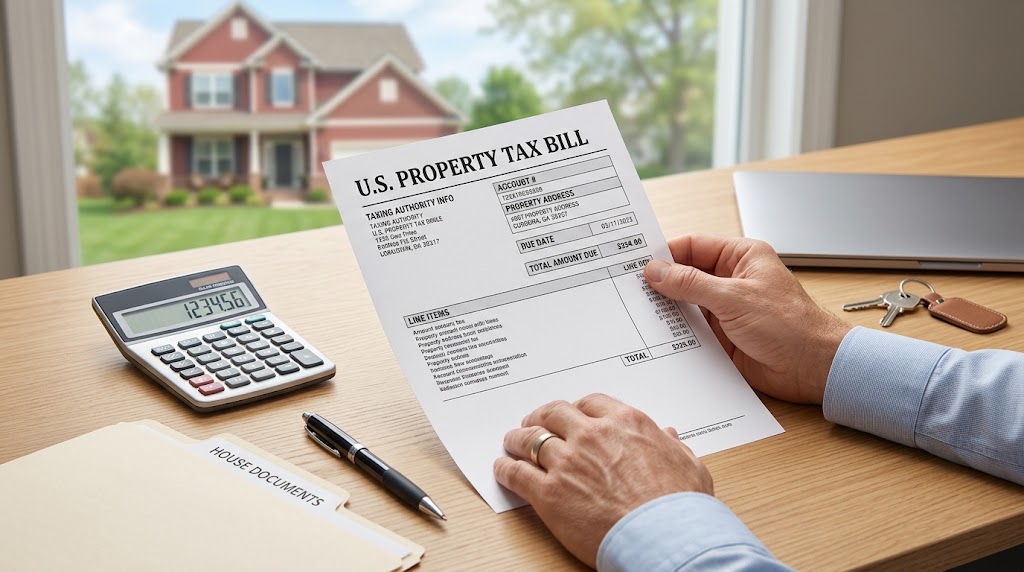
Celebrate a new milestone of closing on your new home and finally reap the benefits of owning new property. Those benefits also bring their own set of responsibilities. One of those new responsibilities? Property taxes. While they may not be the most exciting aspect of homeownership, it's important for you to understand how property taxes work and what's expected of you and your payments. Property taxes are an unavoidable reality of homeownership. Check out our property tax guide for a full overview of local tax rates and deadlines.
What is Property Tax?
Property tax is collected from the owners of the properties and are calculated based on the assessed value of the property as a certain percentage. The city, county, and/or state use property tax income to finance things such as public transport, safety, roadways, recreation areas, schools, and other projects. Property tax has to be paid if you own any real estate or personal property. Understanding first-time homeowner property tax obligations prevents surprises at closing.
Property tax is an example of an ad valorem tax; therefore, you will have to pay some percentage of the assessed value of the property and not the cost at which you purchased the property. Property taxes in the United States are levied by city, town, and county governments for raising funds. Property taxes are paid either yearly or half-yearly.
Collecting county property taxes ensures local infrastructure and services remain fully funded. For example, California bases property taxes on a home's last assessed value and is capped at a maximum increase of 2% each year. This is because of a unique law in the state called Proposition 13. Other states have different laws for their property taxes at different levels of their government. Understanding how are property taxes calculated makes it easier to double-check your bill.
What is the Difference Between Property Tax & Real Estate Tax?
The terms “property tax” and “real estate tax” can be used interchangeably at times, but they do not have the exact same meanings. Real estate tax pertains only to taxes imposed on real properties, which include the land and whatever is fixed to it such as houses and garages. On the other hand, property tax covers real estate and tangible personal property or movable items. This might include vehicles, boats, business equipment or livestock in some states.
In some jurisdictions, local government taxing authorities assign separate property tax rates for real estate and personal property. While they might be on the same tax bill, they are usually listed as different line items. Getting a property tax bill explained helps line items like school and county funds make sense. Knowing the difference between property tax assessment vs market value helps you determine if your home is being taxed fairly.
How are Property Taxes Calculated?
A property tax assessment determines the taxable value of your home based on market conditions. Having property taxes explained simply can help new buyers budget for homeownership. Property tax rates may vary based on your county, city, and state. The amount you pay for your property tax is based on what's called your "real property." This includes the land you own, as well as the structure on that land. The frequency of these payments may vary based on your state or local jurisdiction or your situation.
Some taxing authorities collect taxes monthly, while others may collect annually or semi-annually. Using a home property tax calculator gives you a quick estimate of your monthly obligation. To estimate what you'll pay for property taxes, you'll need to know the assessed value of your home, the land where it is located, and anything else that might be considered part of your state's real property tax classification.
Checking how often are property taxes assessed in your county helps you stay prepared for sudden property valuation updates. A recent property tax reassessment might increase or decrease your property's overall tax bill. From there, you'll need to know your local municipality's mill rate (sometimes called a levy rate), which is the rate for how much property tax you would owe for every $1,000 of your property's value. Once you know these two factors, you can use the following rate to determine your property tax:
(Mill rate x Assessed value of home) / 1,000 = Property Tax
For instance, if your house is valued at $400,000 and the mill rate is 15, you would calculate the product of both numbers and divide by 1,000, hence giving you a total property tax value of $6,000. Remember that some regions have special assessments, meaning that this formula might not give you the total property tax. Learning how property taxes work helps you understand where your tax dollars go locally. Understanding how local governments calculate property taxes clarifies how municipal budgets influence your local tax rates.
Preparing for Changes in your Property Taxes
Keep in mind that changes to your home's value may have a direct effect on your property taxes. For example, if your home is reassessed and its value goes up, this will likely increase what you're paying in property taxes. Your state or local tax rate can also fluctuate temporarily or permanently change. Review your local rates online if you want to anticipate any potential changes. Many counties offer a secure portal for paying property taxes online using an electronic check.
Moreover, if you qualify, there is an option of claiming property tax as a deduction from your income tax. As a veteran, senior citizen, or disabled person, you will have a chance of qualifying for a property tax deduction or exemption, according to where you reside. Many local governments offer property tax exemptions for seniors to lower tax burdens for older residents on fixed incomes.
To find out if you can qualify for property tax exemption, you should check with your state department of revenue. Filing for a homestead exemption protects a portion of your primary residence's value. Qualifying for property tax exemptions can significantly reduce your overall tax bill. Reviewing line items for school and city services helps with understanding your property tax bill each year.
Property taxes are just one responsibility you take on as a homeowner, something you get to experience alongside the joy of closing on your new home. If you want to learn more about property taxes, talk with your lender or a tax professional for more information. Qualifying for property tax exemptions for veterans can significantly reduce or eliminate annual local property tax liabilities.
Why do Property Taxes Increase?
Reading a property tax guide for first-time homeowners helps new buyers plan for ongoing ownership costs beyond their monthly mortgage payment. If you haven't moved or renovated, a higher property tax bill could come as a frustrating surprise. There are three common reasons why this might have occurred:
- Market appreciation: As home prices rise in your neighborhood, the assessor raises your home's tax-assessed value to match.
- Special levies approved by voters: If your community voted on a school levy or library levy, for instance, the tax rate for your community may have increased.
- Home renovations: Renovations like building a deck, finishing your basement, or putting in a pool may cause an "automatic reassessment." This is because such improvements increase the value of your house.
What Happens if I Don't Pay Property Tax?
Not paying your property taxes in a timely manner means you will incur extra costs imposed by local governments to your bill. It is vital to make your tax payments to avoid such penalties and to avoid having a lien put on your home. The tax lien prevents you from selling your property until you make your payment of the outstanding taxes. In addition, a tax lien may ultimately lead to a foreclosure and loss of your home because of unpaid taxes.
Tip: Making your property tax payment at once when it comes at the end of the year is quite painful; however, making small payments each month, just like your rent or mortgage, makes it easier to manage. If you are concerned about making your property taxes, try looking for any programs that
When are Property Taxes Due?
Missing property tax due dates can lead to unwanted penalties and late fees. Whereas property taxes can be levied yearly, the dates on which they are payable vary according to the locality. For instance, property taxes for the period 2024-2025 in California can be paid in two parts as follows:
- Nov. 1: Payment due date
- Dec. 11: First installment becomes delinquent after 5 p.m.
- Feb. 1: Payment due date
- April 10: Second installment becomes delinquent after 5 p.m.
If you are making payments via a mortgage loan company, you will receive estimated monthly amounts that will be deposited for payment on your behalf. Checking local government calendars to see when property taxes are due helps homeowners avoid late payment penalties.
What Does Property Tax Pay for?
Property tax is a major source of funding for local governments to provide important services. Every time you pay your property tax, you keep that money within your community, making available all the facilities you need on a regular basis. Exploring how to lower property taxes can save you thousands over the life of your mortgage. Exploring how to lower property taxes can save you thousands over the life of your mortgage. Here’s where revenue from property taxes might go:
- Public schools, community colleges and educational programs
- Police, fire departments, EMTs and other public safety workers
- Roads, highways, bridges and sidewalks
- Parks and recreation, libraries and social services
- Street cleaning and storm water management
Are Property Taxes Tax-Deductible?
Claiming property tax deductions on your income taxes may provide substantial savings. In order to be eligible to deduct your property taxes as an expense for tax purposes, there are some conditions that need to be met first. These conditions involve the choice you make between taking the standard deduction and itemizing your deductions. As per the rules, the limitation on the SALT deduction is set to $10,000 for individuals and $5,000 for separate taxpayers for the year 2025.
The property taxes to be deductible must be imposed as taxes on the assessed value of your property and be uniformly imposed in the same way for similar properties. These funds must also support public services rather than providing a personal benefit for you. Not all charges on your property tax bill are deductible. You can’t deduct:
- Taxes on property you don’t own
- Unpaid property taxes
- Special assessments for new sidewalks, sewer lines or water and sewer systems
- Fees for trash collection or water
- HOA (homeowner association) dues or transfer taxes on the sale of a home
Some states also offer property tax exemptions. For example, California homeowners may qualify for a $7,000 reduction in their home’s taxable value if the home is their primary residence as of January 1st each year.
How to Manage Your Property Taxes?
Now that we have discussed what property taxes are and why they are important to know, it is necessary to learn how to effectively manage your property taxes.
- Be informed: Always read news and government statements concerning property taxes , their increase, the ways how they are calculated, the amount of rates, etc.
- Check your property assessment: Make sure the assessed value is accurate and fair. In case you feel like your property was overvalued and the assessment is not correct, you can appeal. Starting the property tax appeal process is worthwhile if your home is overvalued.
- Use all the possible exemptions and deductions: Do research on them and try to apply and get these benefits to significantly lower your property tax.
- Budget for property taxes: You should not wait until you actually get a bill and then think about how you are going to pay it. Estimate how much money you need to pay in property taxes and include this sum to your budget.
- Escrow: If you own a property and you have a mortgage, then it is possible to make a deal with your lender about making property tax payments together with your mortgage in one monthly installment and keep the money in escrow. Most homeowners budget for annual property taxes through a monthly escrow account. This helps you avoid making huge annual lump sum payments.
- Always pay your property taxes on time: If you do not pay your property taxes in time, you might end up paying additional penalties and interest costs; therefore, always ensure that your payment of property taxes is made on the deadline.
- Always maintain records: Ensure that you have copies of your property tax bills, assessments, and other important papers related to your property taxes. This makes it easy for you to monitor your property taxes and make appeals when needed.
By applying these strategies, you will be in a position to manage your property taxes effectively.
Conclusion
Reading a comprehensive property tax guide helps homeowners understand local tax rates, claim eligible exemptions, and effectively lower their annual housing costs. By knowing the process of assessing your home's taxable value through the local assessors you will be in a position to manage your housing costs without any problems. Checking your assessment notice every year to look out for any inaccuracies in terms of the square footage of your home, its condition, and other relevant aspects will be very beneficial.
Frequently Asked Questions
What is a property tax, and which people have to pay it in America?
A property tax is a local tax levied on the real estate according to the assessed value. In the USA, most homeowners are obliged to pay property taxes to the city or county.
How is the property tax in America calculated?
The property tax is usually calculated as the product of the assessed value and the local tax rate.
How frequently do the owners of properties pay property taxes?
In general, homeowners pay the property taxes on an annual or semiannual basis. In most cases, mortgage lenders collect property taxes every month through an escrow account.
Can the homeowner save on property taxes?
Yes, as some homeowners may be entitled to exemptions, special tax breaks, or appealing the assessed value of their property if they think it was evaluated wrong according to local laws. Finding out how to save money on property taxes often starts with filing for eligible tax relief credits on your primary residence.
What happens if property taxes are not paid?
Non-payment of the property tax could lead to fines, interest, tax lien, even to property seizure or tax sale in extreme cases. Knowing what happens if you don't pay property taxes highlights the risk of accrued penalties, late fees, and property tax liens.
Is there the same property tax in all US states?
No, as property tax rates and assessment policies differ dramatically from one state to another.
Are property taxes deductible in the US?
Property taxes could be deductible by some taxpayers as per IRS requirements and limitations.